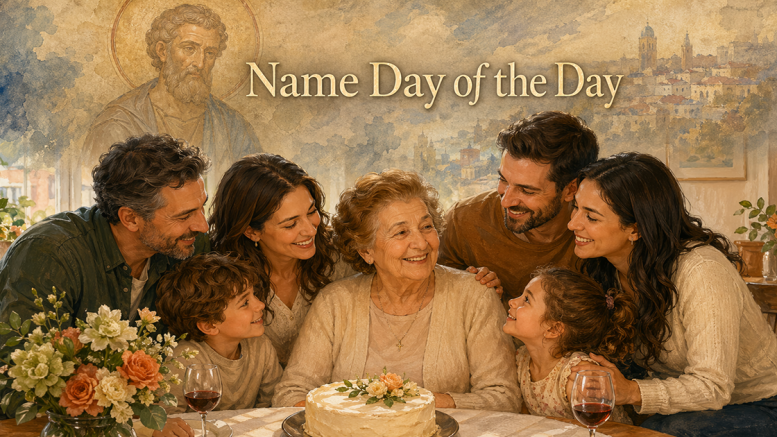
Today’s name day travels easily beyond Greek family circles. Every Melia you know, and every French-speaking Mélia in Montreal, shares in a Greek naming tradition that feels as natural in a classroom, office or café as it does around a family table. It is the kind of day to message a friend, a cousin or a co-worker named Melia and introduce them to a custom they may not know is also theirs.
Melia comes from ancient Greek Μελία, a name rooted in classical mythology and nature. In Greek literature and myth, the Meliai were nymphs associated with ash trees, and the word melia itself referred to the ash. The name also sits close to μέλι, the Greek word for honey, which gives it a second, softer echo that has helped the name feel poetic across time and easy to carry into English and French forms.
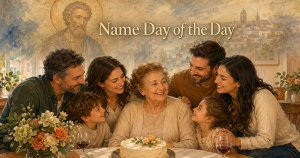
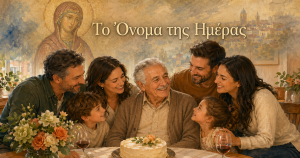
In Eastern Orthodox Christianity, a person’s name day is the feast day of the saint after whom they were named at baptism.
For Melia, the older classical image does much of the work on its own: a name with shade, sweetness and a little spring air in it. You can hear it in the across-the-street neighbour whose front garden always looks calm and welcoming, or in the university friend whose presence improves a room without asking for attention. It also suits the younger cousin everyone remembers as gentle but quietly self-possessed, the kind of person whose name seems to arrive already carrying a sense of grace.
This is not one of the most common Greek names, which may be exactly why it makes such a good conversation starter. It sounds familiar to English and French ears, but it carries a distinctly Greek classical inheritance underneath. That makes today a lovely opportunity to share a small piece of culture with someone who may know the name but not the tradition.
Chronia Polla! to everyone celebrating today, in Greek and non-Greek circles alike. If you know a Melia or Mélia, send the wish along and let a small Greek custom brighten someone else’s day.