Today’s name day may not come with an obvious English office version like James or Catherine, but that is part of its charm. Lykios and Satyros are the kind of names that make people pause, ask where they come from, and open the door to a small conversation about Greek tradition with a classmate, colleague, or neighbour who has never heard of name days before.
Lykios, from Greek Λύκιος, is an old name with deep classical roots. In ancient Greek it means “Lycian,” someone connected to Lycia in Asia Minor, a region well known in the Greek world and in Homeric poetry. Satyros, from Greek Σάτυρος, comes straight from the language of myth and drama, where satyrs were wild woodland figures tied to music, festivity, and the untamed side of nature.
The name day tradition originates in Eastern Orthodox Christianity: a person’s name day is the feast day of the saint after whom they were named at baptism.
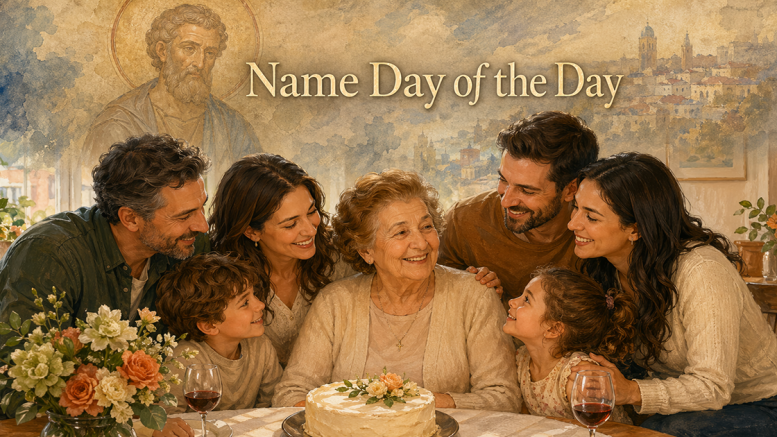
Even when the names are rare, the circle of wishes still feels familiar. A papou Lykios may carry a name that sounds ancient and bright with history, while a cousin named Lykia gives it a gentler, modern presence. And anyone called Satyros, or the shorter Satos, carries a name with unmistakable theatrical colour, the kind that suits the old family friend who fills a table with stories or the regular at the café who always arrives laughing before everyone else settles in.
That is part of what makes name days so easy to share in Canada. Some names travel directly into English, and some stay beautifully Greek, but the custom itself is simple: you remember someone, send a wish, and make room for a little heritage in everyday life. If it feels natural, you can also keep in mind those also celebrating today, including Sisoeis.
Chronia Polla! To everyone named Lykios, Lykia, Lykias, Satyros, and Satos, warm wishes for a happy name day. If you know someone with one of these names, today is a good day to send a text, explain the tradition, and let a small piece of Greek culture land somewhere new.