Today, every Elias and Elijah you know shares a name day with the Greek tradition. In Montreal, that can mean an uncle called Ilias at home, an Elias at work, an Elijah in class, or even an Élie or Ilyas among friends, all linked by the same old name travelling across languages.
Elias comes from Greek Ηλίας, the form used in the Septuagint and the New Testament for the Hebrew name Eliyahu. The Hebrew original means “my God is Yahweh,” and from Greek it passed into Latin as Elias, then into a wide family of forms across Europe and beyond, including English Elijah, French Élie, Spanish Elías, Arabic Ilyas and Slavic forms such as Ilya and Ilija. It is one of those names whose path shows how biblical, Greek and everyday Canadian naming traditions still overlap.
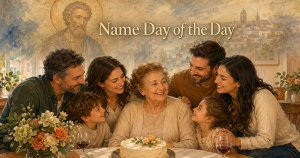
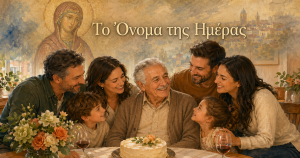
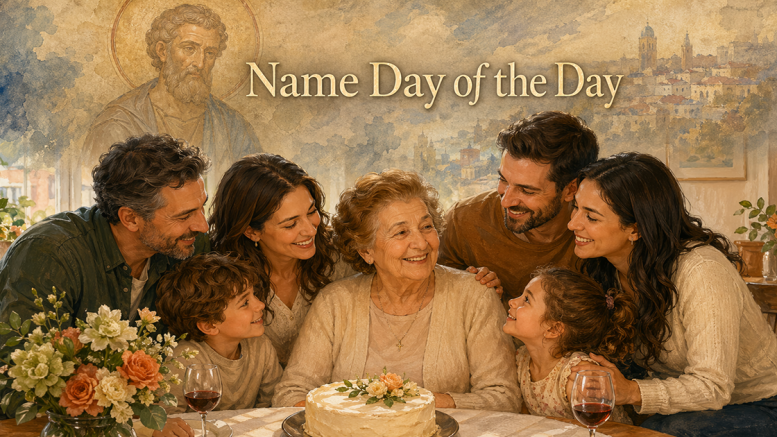
The name day tradition comes from Eastern Orthodox Christianity, where a person’s name day is the feast day of the saint after whom they were named at baptism.
There is something vivid and clear about Elias today. It suits the papou who still speaks plainly, the co-worker who says exactly what needs saying in a meeting, and the across-the-street neighbour whose steady presence never asks for attention. In many Greek families, a Lias or an Elias is also the one everyone expects to answer the phone, show up early, and keep things moving without much fuss.
July 20 also carries a strong summer association for Greek families, since so many chapels of Prophet Elias stand on hilltops and mountain ridges, making the name feel especially at home in bright weather and open air. That gives the day an easy warmth, whether the person celebrating goes by Elias, Elijah, Ilias or a family nickname.
Chronia Polla! to everyone celebrating today, in Greek and non-Greek circles alike. If you know an Elias, Elijah, Élie or Ilyas, today is a perfect day to send a quick happy name day message and share a small Greek custom they may not even know belongs to them.