Today, every Philip, Phil, Philippa, Pippa, Gregory and Greg you know shares a name day with the Greek tradition. In Montreal, that means the cousin called Filippos at home, the co-worker everyone knows as Phil, and the classmate named Greg are all part of the same quiet celebration.
Philip comes from the ancient Greek Φίλιππος, built from philos, “loving” or “dear,” and hippos, “horse,” giving the old sense “lover of horses.” It is a very old Greek name, famous long before modern use through classical Macedonia, and it travelled widely through Latin and European languages into English, French, Spanish and beyond. Philippa is the feminine form of the same name, while Gregory comes from Greek Γρηγόριος, from gregorein, “to be watchful” or “to stay awake,” a word that passed into Latin as Gregorius and then into many European languages.
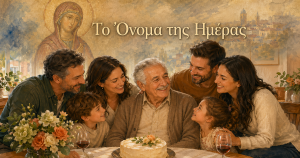
In Eastern Orthodox Christianity, a person’s name day is the feast day of the saint after whom they were named at baptism.
There is something vivid in these names even now. A Philip often feels easy to picture as the friend who is always in motion, the coach at the arena before sunrise, or the neighbour who never misses his weekend bike ride. A Philippa might be the university friend with a sharp, elegant presence, or the koubara everyone calls first when something needs to be organized properly. And Gregory, with that old sense of alertness, suits the boss who notices every detail before anyone else does, or the papou who is somehow the first to see who has just pulled into the driveway.
That is part of what makes name days so easy to share. The names are deeply Greek, but they are also fully at home in English, French and everyday Canadian life. A Philip in your contacts list may have no Greek connection at all, yet today still gives you a perfect reason to send a quick message and pass along a custom that travels well.
Chronia Polla! to everyone celebrating today, Greek and non-Greek alike. If you know a Philip, Philippa or Gregory, this is a lovely day to wish them a happy name day and introduce them to a small Greek tradition they may not even know they share.