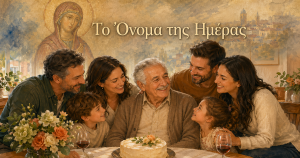
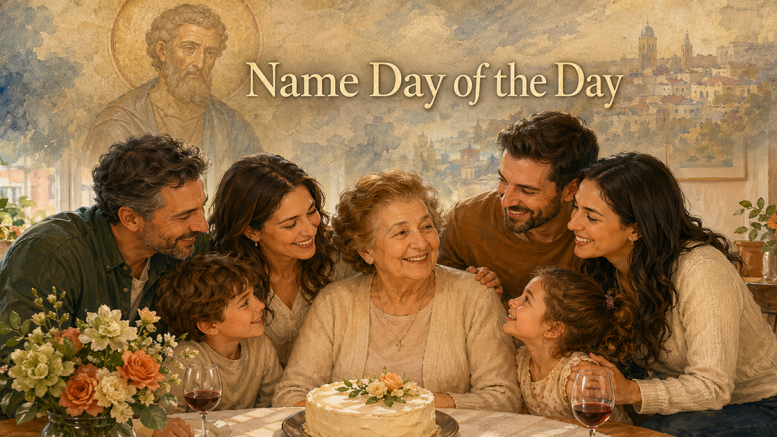
Today’s name day reaches a little further than the family group chat. If you know an Arsenius, an Arsène, an Arsenio, an Arsinoe, an Erastus, a Milo, an Orestes, a Rodion or an Orion, they share in names being marked in the Greek tradition today. Some are rare in everyday Canada, but that is part of the charm: a name day can become the perfect excuse to text a friend, explain the custom, and pass along something distinctly Greek in a very Canadian way.
Several of today’s names carry deep Greek roots. Arsenius comes from Greek arsenikos, “male” or “virile,” from arsēn, “male.” Arsinoe is an ancient Greek royal name, likely built from the same arsēn root with a second element found in old Greek compound names. Erastus comes from Greek Erastos, “beloved” or “lovely,” from the verb eran, “to love,” while Orestes is tied to oros, “mountain,” giving it the feel of someone of the hills. Orion belongs to the oldest layer of Greek myth and astronomy, and Milo, from the ancient Greek Milon, survives as a classical name that later travelled into other European languages.
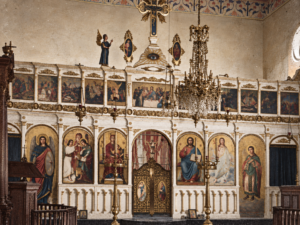
In Eastern Orthodox Christianity, a person’s name day is the feast day of the saint after whom they were named at baptism.
That gives today a wide and human circle. An uncle Arsenios may still carry his full Greek form with quiet dignity, while a co-worker named Milo wears one of the oldest names on today’s list without ever having heard a name day wish before. An Orestes in the family always seems to bring a bit of classical drama with him, and an Erastus has the rare gift of sounding both ancient and warm at once. Even Rodion, uncommon here but familiar across Greek and Slavic history, feels like the kind of name you remember after meeting it once.
So if one of these names is in your contacts today, send the message. Chronia Polla! to everyone celebrating, in Greek and non-Greek circles alike. A simple “happy name day” to a friend named Orion or Milo can open the door to a tradition they did not even know they shared.